Shopping cart
You have no items in your shopping cart.

Italian furniture stands at the top of craftsmanship, blending old-world traditions with fresh design. When you bring authentic Italian pieces into your home, you're getting furniture that can stick around for decades—if you choose wisely and care for it.

Choosing quality Italian furniture means looking at materials, construction, and the manufacturer's authenticity before you buy. Solid hardwoods like walnut and cherry, hand-joined construction, and clear proof of origin help you spot the real deal—pieces that'll actually last through everyday life.
Castle Furniture has been helping homeowners make these choices for decades, curating imported collections and guiding customers toward pieces built for long-term value.
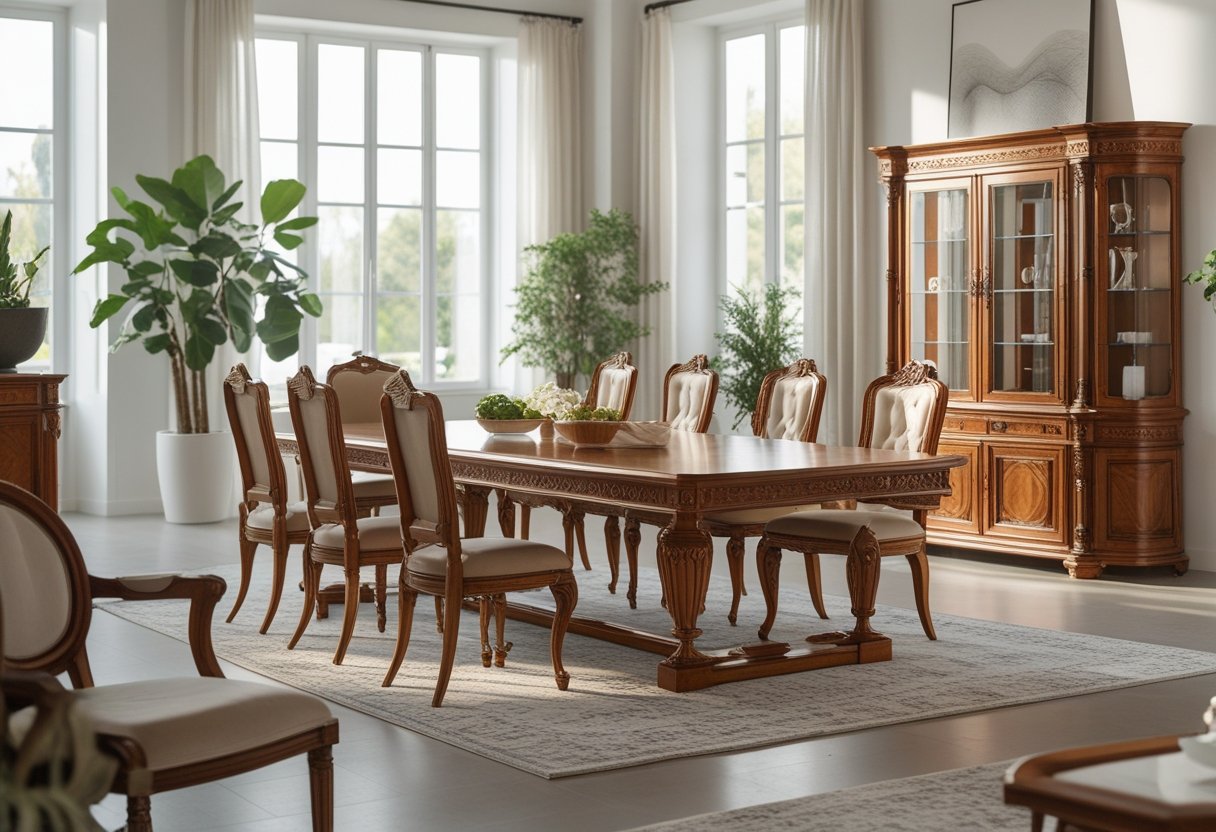
Italian furniture comes from centuries of refined craft and design. You can spot quality Italian pieces by their attention to detail, top-notch materials, and that signature blend of tradition and modern elegance.
Italian craftsmanship comes from generations of artisans, passing down skills in family workshops. These craftspeople spend years perfecting woodworking, upholstery, and finishing.
Authentic Italian makers still use traditional joinery. Mortise and tenon joints, dovetailing, and hand-fitted connections take priority over just screws or glue.
Hand-finishing is what really sets Italian furniture apart. Artisans apply stain and lacquer in several coats by hand, sanding between each layer for depth and richness in the wood.
Some Italian workshops focus on specific furniture, like dining tables or luxury imported furniture. This specialization means they really know their stuff in each area.
The apprenticeship system keeps quality steady. Young craftspeople work alongside masters for years before making their own pieces.
Wood selection is your first clue to quality. The best Italian furniture uses solid hardwoods like walnut, cherry, or oak—not particle board or cheap veneer.
When you're checking out Italian furniture, look for these markers:
| Feature | Quality Indicator |
|---|---|
| Joints | Hand-fitted, tight connections with no gaps |
| Finish | Multiple hand-applied coats with smooth texture |
| Hardware | Solid brass or steel with smooth operation |
| Drawers | Solid wood construction with smooth glides |
Weight says a lot about Italian furniture. Solid wood pieces feel heavier than mass-produced stuff. Test the drawers by pulling them all the way out—they should feel sturdy and smooth.
Look for consistent grain patterns across the surfaces. Craftsmen match wood grains carefully when building tabletops or cabinet doors.
Hardware details matter, too. Premium Italian furniture uses solid brass or high-grade steel for hinges and handles. These parts should work smoothly, no sticking or rattling.
Italian design focuses on proportion and balance, not just fancy decoration. You'll notice clean lines and subtle curves that make a statement without taking over the room.
Regional styles add variety. Tuscan pieces have rustic elements and distressed finishes. Milanese furniture leans sleek and modern, using luxury materials.
Italian furniture blends function and beauty in a way that's hard to match. Storage hides inside elegant forms, and dining tables extend smoothly for bigger gatherings.
Material mixes set Italian furniture apart. Designers combine wood with leather, metal, or stone, creating depth and harmony.
The color palette usually sticks to rich, warm tones—think deep browns, cozy grays, and creams. You won't see the bright or stark contrasts that pop up in other styles.
Italian pieces are often sized for European homes, so you might find chairs a bit narrower or tables made for specific room sizes.
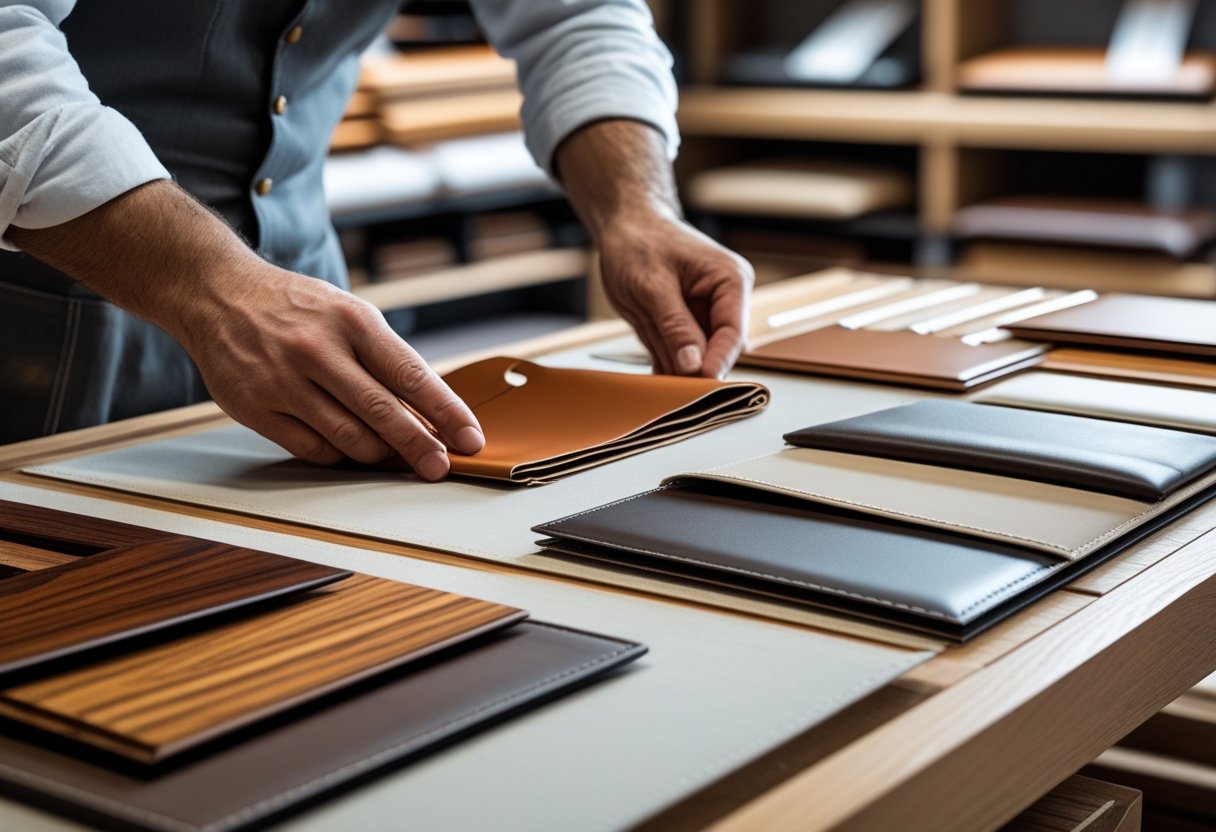
The materials in Italian furniture decide how long it lasts and how it performs in daily life. Hardwoods like walnut and oak are tough, while premium leather and high-grade fabrics bring comfort and resilience that can stick around for decades.
Italian makers love solid hardwoods that have stood the test of time. Walnut is prized for its rich grain and durability. Oak brings strength, perfect for tables and bedroom sets.
Cherry wood ages beautifully, deepening in color as years go by. Beech wood gives strong support, making it great for chair frames and cabinets.
For upholstery, top-grain leather is king. It ages well, picking up a patina while staying strong. Italian leather goes through traditional tanning, making it both durable and soft.
Premium fabric options include:
Skip furniture made with particle board or bonded leather. These materials just don't last or hold value.
Leather sofas and leather furniture typically benefit from periodic conditioning (commonly every 6–12 months) to help maintain softness and reduce drying.
For fabric upholstery alternatives, prioritize tightly woven, durable fabrics and quality stitching. High-performance fabrics can resist stains and wear while maintaining a luxurious feel.
Consider your household needs when choosing between leather and fabric. Leather handles spills better and ages gracefully. Fabric offers more color options and can feel softer in warmer climates.
Solid wood construction can outlast generations if you take care of it. Hardwood furniture stays strong even with everyday use. Traditional joinery keeps pieces stable for years.
Grain direction makes a real difference. Italian craftsmen align wood grain in high-stress spots to prevent warping and cracking.
Upholstery choices change how you care for your furniture. Top-grain leather needs little upkeep and develops character over time. High-quality fabrics hold up better against fading and wear than synthetics.
Hardware quality impacts how drawers and doors work over the long haul. Italian makers use solid brass or stainless steel, which resist rust and keep working smoothly.
Poor materials can cause:
Many Italian makers now use FSC-certified woods from responsible forests. These woods meet strict environmental rules but still deliver on quality and durability.
Reclaimed wood brings unique character and cuts down on environmental impact. Old chestnut beams and weathered oak turn into stunning pieces with a story.
Water-based finishes keep harmful VOCs out of your home but still protect the wood. They let the natural beauty show through and are better for air quality.
Recycled metal hardware is becoming standard. Italian manufacturers use recycled brass and steel for hinges, handles, and accents.
Natural latex cushions beat petroleum-based foams for comfort and durability. They hold their shape for years and offer great support.
Look for certifications like:
True Italian furniture shows its quality in the joinery, finishes, and handcrafted details. These elements decide if your investment will last decades or fall short in just a few years.
Italian furniture gets its strength from top-notch joinery. Mortise and tenon joints connect wood pieces precisely, relying less on glue or screws.
Look for dovetail joints in drawers. These interlocking cuts give serious strength and keep drawers from falling apart. Skilled Italian craftsmen cut these by hand or with precision tools.
Dowel joints should line up perfectly and feel smooth. Gaps or rough spots mean poor craftsmanship. Run your hand along the joints—you'll feel the difference.
Check for corner blocks in chairs and sofas. These wooden supports should be both screwed and glued. They add stability and prevent wobbling.
Metal hardware should feel hefty and work smoothly. Hinges, slides, and handles show whether the maker cares about long-term performance.
Look at the finish under good light and from different angles. Quality Italian pieces have even color and sheen, even on hidden spots.
Hand-rubbed finishes have subtle variations—little signs of human touch you just don't get with machines. These quirks show artisan involvement and make the finish last longer.
Touch the surface. Premium finishes feel silky, not rough or bumpy. You shouldn't find brush marks or dust stuck in the coating.
You want to see wood grain through the stain and clear coat. If the finish is too thick or plasticky, it might be hiding lower-quality wood.
Even the insides of drawers and cabinet backs should be finished, not left raw. That's a sign the maker didn't cut corners.
Edge banding on veneer pieces should lie flat, with no bubbles or peeling at the corners. If it's sloppy, that's a red flag.
Handcrafted Italian furniture shows subtle irregularities—small quirks machines just can't copy. If everything looks too perfect, it probably came from a factory, not an artisan.
Carved details should have tool marks and depth changes that reveal human hands at work. Machine carving looks repetitive and lacks character.
Look at the wood selection throughout the piece. Master craftsmen match boards for grain and color. Random grain patterns usually mean factory work.
Hand-sanded surfaces feel smoother and follow the wood's contours. Machine sanding creates a uniform, less refined feel.
Check for maker's marks or signatures. Artisans often leave stamps or carved initials—signs of pride and accountability.
When multiple wood species show up in the right places, it shows expertise. Skilled makers pick different woods for structure or decoration, depending on what each does best.
Real Italian furniture comes from makers who blend centuries-old traditions with modern quality standards. Look for brand credentials and official documentation that supports true Italian origin.
Established heritage manufacturers tend to have transparent production details, consistent material standards, and clear documentation practices.
Mid-tier quality manufacturers can still be authentically Italian when they maintain strong production controls and provide origin documentation.
Regional specialists often focus on specific furniture types. Tuscany is known for solid wood styles, while northern regions are often associated with upholstered seating and sofas.
Check the manufacturer's own materials for factory locations and production details to support authenticity. Genuine Italian manufacturers usually highlight their production facilities and regional roots.
"Made in Italy" labels are often used to indicate that key production stages were completed in Italy under applicable rules. For higher-end pieces, ask for origin documentation that shows where the product was made and who produced it.
Quality certifications can include European conformity marks and sustainability labels (like FSC for responsible wood sourcing) depending on the product and materials.
Regional designations may point to well-known production areas north of Milan that are associated with long-standing furniture-making traditions.
When buying higher-end Italian pieces, ask for documentation showing the manufacturer’s registered address and proof of origin for the product you’re purchasing.
Italian furniture shopping is easiest when you know exactly what “quality” looks like in construction, materials, and long-term support. Use this section as a decision framework so you can compare pieces confidently.
If you want Italian furniture that feels intentional, not pieced together, start by choosing your anchor category and build a cohesive finish plan around it. Castle Furniture’s curated approach is designed for shoppers who value craftsmanship, design consistency, and a “journey around the world” experience while exploring imported pieces across categories like living room, dining, bedroom, home office, lighting, and decor.
When you’re comparing pieces in-store or online, use the checkpoints in this guide (joinery, materials, hardware feel, upholstery tension, and delivery fit) to narrow down what truly matches your space and your lifestyle.
Product documentation helps you confirm origin details, materials, and warranty terms. Keep invoices, warranty paperwork, and any manufacturer or collection documentation that comes with your piece.
Dealer support matters because it affects delivery planning, warranty handling, and access to parts or service if needed. Ask your retailer what support exists after purchase and how warranty claims are handled.

Italian furniture encompasses a range of styles from ornate classical designs to sleek contemporary pieces. Each style brings distinct characteristics that can define your home's atmosphere and reflect your personal taste.
Classic Italian furniture draws from centuries of craftsmanship tradition. These pieces feature rich wood finishes, intricate carvings, and luxurious fabrics like velvet and silk. You'll find ornamental details such as gilded accents, curved legs, and hand-carved embellishments that showcase artisan skill.
This style works well in formal dining rooms, traditional bedrooms, and grand living spaces. The furniture often includes pieces like tufted sofas, baroque-inspired armchairs, and elaborate dining tables with matching chairs. Wood types typically include walnut, cherry, and mahogany with warm, deep tones.
Classic Italian pieces make a statement about heritage and elegance. They require commitment to a cohesive design approach since mixing them with contemporary elements can be challenging. These pieces typically last for generations when properly maintained, making them true investment furniture for your home.
Modern Italian furniture emphasizes clean lines, minimal ornamentation, and functional design. Contemporary Italian furniture takes current trends and interprets them through Italian craftsmanship standards. Both styles use materials like leather, chrome, glass, and lacquered wood finishes.
You'll see geometric shapes, neutral color palettes, and streamlined silhouettes. Italian designer furniture in this category often features innovative construction methods and space-efficient designs. These pieces work particularly well in urban homes, open-plan spaces, and minimalist interiors.
The difference between modern and contemporary lies mainly in timing. Modern Italian furniture refers to mid-century designs and their current interpretations. Contemporary pieces reflect today's design movements while maintaining Italian quality standards. Both options suit homeowners who value simplicity and current aesthetics.
Transitional Italian furniture blends classic elegance with modern simplicity. These pieces allow you to combine different Italian furniture styles without creating visual conflict. You get traditional quality with updated proportions and less ornate details.
This approach gives you flexibility in decorating your home over time. Transitional pieces feature neutral upholstery, refined wood finishes, and subtle details that complement both traditional and contemporary elements. They work as anchor pieces that tie different styles together.
Bespoke options let you customize Italian furniture to your exact specifications. You can select fabrics, finishes, dimensions, and details that match your space perfectly. This route costs more but delivers furniture that fits your lifestyle precisely and addresses specific room requirements or design challenges.
Italian furniture really shines when it fits your daily life and complements your space. The trick is picking pieces that serve your needs while enhancing your home’s vibe.
Your Italian furniture should work as hard as it looks good. Think about how you use each room before you buy.
Living room priorities:
Dining room considerations:
Italian craftsmanship excels at multifunctional designs. A handcrafted armoire can serve as bedroom storage or even hide a TV.
Versatile pieces to prioritize:
Your lifestyle habits matter most. Active families need tough leather that ages gracefully. If you work from home, Italian office furniture can shift easily from work to relaxation.
Pick furniture that grows with you, not stuff that boxes you in.
Italian furniture fits best when you understand your current style. Start by figuring out your main color palette and design elements.
Classic integration approaches:
Color coordination matters. Italian furniture often features rich woods like walnut or cherry, which pair well with cream, beige, or deep jewel tones.
Scale matching is crucial:
Your lighting changes how Italian finishes look. Wood grains can shift under warm or cool lighting. If you can, test pieces in your space before committing.
Italian craftsmanship celebrates natural materials. Mix in textures like stone, metal, or natural fabrics to create a room that honors the furniture’s heritage while still feeling like your home.
Each room in your home requires different considerations when selecting Italian furniture. The right pieces balance function with elegance while maintaining the craftsmanship Italian design is known for.
Italian sofas define your living space with their blend of comfort and visual appeal. Look for pieces with solid hardwood frames and high-density foam cushions that maintain their shape over time. Leather upholstery offers durability and can develop a distinctive patina with age.
Modular seating gives you flexibility to reconfigure your space as your needs change. Quality modular pieces feature reinforced connection points and uniform cushion density across all sections. This design approach works well in both compact homes and spacious open-concept layouts.
Consider these elements for your coffee and side tables:
Statement lighting anchors the room's atmosphere. Floor lamps with adjustable arms provide task lighting while serving as sculptural elements. Place them near reading areas or accent chairs to create functional zones within your living space.
Extendable dining tables solve the challenge of hosting larger gatherings without sacrificing daily functionality. Look for extension mechanisms that operate smoothly, align cleanly, and lock securely for stability.
Choose chairs that provide ergonomic comfort during long meals. Look for curved lumbar support and seat depths of about 18–20 inches. Italian dining chairs often feature tapered legs and reinforced joints designed for long-term use.
Sideboards offer storage while serving as display surfaces for serving pieces. Quality construction often includes:
Lighting fixtures shape your dining experience. Chandeliers often hang 30–36 inches above your table surface to illuminate meals without blocking sight lines across the table. Dimmer controls let you adjust the mood from bright family dinners to intimate gatherings.
Luxury beds from Italian manufacturers combine structural integrity with comfort-focused design. Platform beds with built-in slat systems eliminate the need for box springs while providing consistent mattress support. Upholstered headboards add softness and can help reduce noise.
Storage solutions should maximize vertical space without overwhelming the room. Armoires and wardrobes with adjustable shelving and dedicated compartments make it easier to organize modern wardrobes. Lined drawers can help protect delicate fabrics.
Bedside tables need adequate surface area for lamps, books, and personal items. Look for pieces with at least one drawer for items you want hidden from view. Matching wood grains and finishes create cohesion, but mixed materials like wood and metal add visual interest.
Italian bedroom furniture often incorporates lower profiles than some traditional styles. This design choice can create the illusion of more space while maintaining full functionality.
Your home office requires furniture that supports productivity through ergonomic comfort. Italian desks with leather writing surfaces reduce glare and provide a smooth work area. Cable management systems built into the desk structure keep technology organized and accessible.
Storage credenzas keep files and supplies within reach but out of sight during video calls. Look for pieces with ventilated cabinets for electronics that generate heat.
For outdoor spaces, focus on weather-resistant materials and fabrics designed to handle sun and moisture. Outdoor dining sets benefit from water-draining seats and tables with umbrella holes for shade options. Modular outdoor seating lets you create conversation areas that adapt to your entertaining style.
With the right care, your Italian furniture will look beautiful for decades. Regular cleaning and protecting pieces from environmental damage are the real keys to longevity.
Wipe Italian leather furniture with a soft cloth weekly to remove dust. Skip harsh chemicals—they’ll just ruin the materials.
Use leather conditioner made for quality leather every few months. It keeps the leather soft and helps prevent cracks.
For wood furniture, dust with microfiber cloths. Apply wood polish made for your wood type every month to keep the oils and shine locked in.
Check joints and hardware every few months for any loosening. Tighten screws and bolts if needed.
Rotate cushions and pillows often. It’s a small thing, but it really extends upholstery life.
Essential Cleaning Supplies:
Keep furniture away from direct sunlight to avoid fading and cracking. UV rays are rough on both leather and wood finishes.
Maintain steady temperature and humidity in your home. Big swings can make wood expand or contract, causing cracks.
Apply protective treatments once a year. Use fabric protectors on upholstery and special sealers for wood.
Store furniture properly during moves or renovations. Wrap pieces in breathable materials—skip the plastic, it traps moisture.
Schedule professional cleaning and conditioning every year or so for valuable pieces. Sometimes, it’s just best to let the experts handle it before problems get worse.
Protection Checklist:
Italian furniture requires careful financial planning that considers both immediate costs and long-term returns. Smart buyers focus on strategic purchases that deliver lasting value while staying within their means.
You can access quality Italian furniture without overspending by prioritizing key pieces first. Start with focal points like a dining table or sofa where craftsmanship matters most for daily use.
Consider these budget-smart strategies:
Budget-conscious design doesn't mean compromising on authenticity. Examine construction methods, joinery techniques, and finish quality to validate craftsmanship regardless of price point.
High-quality Italian furniture delivers value through years of use rather than requiring replacement every few years. A well-made piece can cost less per year of ownership than cheaper alternatives you replace multiple times.
Consider these value indicators:
Higher-quality pieces often require less repair over time. Your initial investment can protect against the hidden costs of replacement, delivery fees, and disposal. Italian furniture's durability helps you avoid the cycle of buying, discarding, and replacing that comes with lower-quality options.
To estimate true cost, divide the purchase price by expected years of use. For example, a higher-priced table that lasts decades can be more economical than a lower-priced table that needs replacement every few years.
Related reading: where to buy ALF Italia furniture in Houston and what separates a luxury imported furniture showroom in Houston.
People buying Italian furniture usually have questions about quality, authenticity, and how to care for it. Knowing the details about craftsmanship and materials helps you make choices that last.
High-end Italian furniture uses solid wood construction with dovetail or mortise-and-tenon joints. You’ll spot hand-applied finishes that highlight the natural wood grain.
Top pieces feature brass or bronze hardware, not plastic. Upholstery comes in top-grain leather or high-thread-count fabrics.
Luxury Italian furniture shows off balanced proportions and precise design. Carved details get finished by hand, not by machine.
Italian artisans use traditional joinery that’s stronger than modern shortcuts. These methods keep furniture solid for decades.
Craftsmen pick wood based on grain and density, cutting out weak spots that could crack or warp later.
They cure wood for long stretches before building anything, which helps avoid future expansion or contraction problems.
Choose solid hardwoods like walnut, cherry, or oak—not particle board or veneer. Solid wood furniture is made to last generations.
Check for full-grain or top-grain leather on upholstery. These leathers develop character over time, unlike lower-grade options that can crack.
Look at metal parts—brass, bronze, or stainless steel last longer and resist corrosion better than plated versions.
Authentic Italian furniture often has maker’s marks or stamps showing the workshop or region. You’ll usually find these in hidden spots like drawer bottoms or under chairs.
Ask for certificates of authenticity from the maker or importer. Legit Italian manufacturers often provide proof of origin and materials.
Compare construction details with known Italian standards. Real pieces have hand-finished surfaces and traditional joinery—not machine-perfect edges.
Italian designers focus on timeless looks, not passing fads. Classic proportions and clean lines keep these pieces appealing for decades.
The design philosophy values function as much as form. Italian furniture works well and still looks great.
Traditional Italian proportions often use classic balance principles for visual harmony. This makes the pieces feel right in all kinds of rooms.
Dust wooden surfaces every week with a microfiber cloth. This helps prevent buildup that might scratch the finish.
Every six months, apply a little furniture wax. It keeps the wood nourished and gives the surface a nice protective boost.
Try to keep furniture out of direct sunlight. Sun and heating vents can dry out wood and, honestly, nobody wants to see cracks forming.
Clean leather upholstery once a month using a leather cleaner and conditioner. It keeps the material soft and helps it hold onto its natural oils.
Start by measuring your space carefully. Italian furniture often features bold proportions, so you need accurate dimensions to ensure pieces fit properly without overwhelming the room.
Consider the function of each room. Bedroom furniture should emphasize comfort and storage, while living room pieces need to balance style with durability for daily use. Dining room selections should account for how many people you typically host.
Look at doorways, stairwells, and hallways before buying. Large pieces may require professional delivery and installation. Quality retailers provide measurements and can help plan the delivery route.
Think about your lifestyle needs. Families with children might choose leather upholstery that wipes clean easily. Home offices benefit from Italian desks with built-in storage and ergonomic design.
Choose one style as your foundation. If your home leans traditional, select one or two modern Italian pieces as focal points. For contemporary spaces, add traditional elements through accent chairs or occasional tables.
Mix materials thoughtfully. Pair sleek stone or marble tabletops with warm wood dining chairs. Combine metal-framed modern sofas with more classic wood side tables.
Keep color palettes cohesive. Neutral tones like cream, gray, and taupe work across both styles. You can introduce bolder colors through accessories rather than major furniture pieces.
Pay attention to scale and proportion. Modern Italian furniture tends toward clean lines and lower profiles, while traditional pieces often feature taller backs and more ornate details. Make sure the visual weight feels balanced across the room.
Start with your existing color scheme. Italian furniture works best when it complements rather than clashes with your walls, flooring, and architectural details. Warm wood tones pair naturally with cream, beige, and earth-toned walls.
Layer different textures for visual interest. Smooth leather sofas gain depth when paired with textured pillows. Polished stone or marble tables contrast beautifully with wood chairs.
Consider how natural light affects color. Dark walnut furniture appears rich in well-lit rooms but can feel heavy in spaces with limited windows. Lighter finishes like oak or ash can brighten darker areas.
Use the 60-30-10 rule. Let your largest furniture pieces represent 60 percent of the room's color, medium pieces 30 percent, and accent items 10 percent. This creates balance without monotony.
Match metal finishes throughout the space. If your furniture features brass hardware, repeat brass in lighting fixtures and accessories. Mixing too many metal tones can create visual noise.